



Simple Tips for Creating a Sustainable and Eco-Friendly Home Environment
Creating a sustainable and eco-friendly home environment is a rewarding goal that benefits both the planet and your wellbeing. Small changes in daily habits, home design, and resource use can reduce your environmental impact while making your living space healthier and more comfortable. This guide offers simple, practical tips to help you transform your home into a greener place, all while keeping the process manageable and enjoyable.
Understand What Makes a Home Eco-Friendly
Before diving into specific tips, it helps to know what an eco-friendly home is. Essentially, it’s a home designed and managed to minimise environmental harm and optimise resource efficiency. This includes:
– Using energy and water wisely
– Reducing waste and pollution
– Incorporating sustainable materials
– Promoting indoor air quality
With these goals in mind, you can identify areas to focus on in your own home.
Energy Efficiency: Save Watts and Pounds
Energy use is one of the biggest contributors to a home’s environmental footprint. Making your home more energy efficient can reduce greenhouse gas emissions and save you money on bills.
Upgrade to LED Lighting
LED bulbs consume far less electricity and last longer than traditional incandescent or halogen bulbs. Swapping out old bulbs for LEDs is an easy way to reduce energy use.
Optimise Heating and Cooling
– Install a programmable thermostat to better regulate temperatures and avoid unnecessary heating or cooling.
– Seal any gaps around windows and doors to prevent heat escaping in winter and keep your home cooler in summer.
– Consider energy-efficient appliances like heat pumps or modern boilers when it’s time to replace your heating system.
Use Renewable Energy Where Possible
If you can, explore installing solar panels or small wind turbines to generate your own clean energy. Many governments offer incentives for renewable energy installations.
Water Conservation: Every Drop Counts
Reducing water consumption helps protect natural resources and reduce utility bills.
Fix Leaks Promptly
A dripping tap or leaking toilet can waste hundreds of litres of water monthly. Regularly check and repair leaks in your plumbing.
Install Water-Efficient Fixtures
Use low-flow showerheads, taps, and toilets, which use less water without compromising performance.
Collect Rainwater
Rainwater harvesting systems can provide water for garden irrigation, flushing toilets, or washing cars, reducing your reliance on mains water.
Waste Reduction: Rethink, Reduce, Reuse, Recycle
Managing waste responsibly is key to an eco-friendly home.
Cut Down on Single-Use Items
Switch to reusable shopping bags, water bottles, and food containers.
Compost Organic Waste
Composting kitchen scraps and garden waste reduces landfill contributions and produces nutrient-rich soil for gardening.
Recycle Correctly
Familiarise yourself with your local recycling rules and make sure recyclable materials are clean and sorted properly.
Sustainable Materials and Furnishings
Choosing the right materials for your home can reduce environmental impact.
Opt for Natural and Renewable Resources
Materials like bamboo, cork, wool, and reclaimed wood are sustainable choices for flooring, furniture, and décor.
Buy Secondhand or Upcycle
Purchasing pre-loved furniture or creatively reusing items extends their life and keeps waste out of landfill.
Avoid Harmful Chemicals
Select paints, varnishes, and cleaning products that are low in volatile organic compounds (VOCs) to improve indoor air quality.
Indoor Air Quality and Natural Lighting
A healthy home supports your wellbeing and lowers environmental impact.
Increase Ventilation
Open windows regularly and use extractor fans to reduce moisture and pollutants indoors.
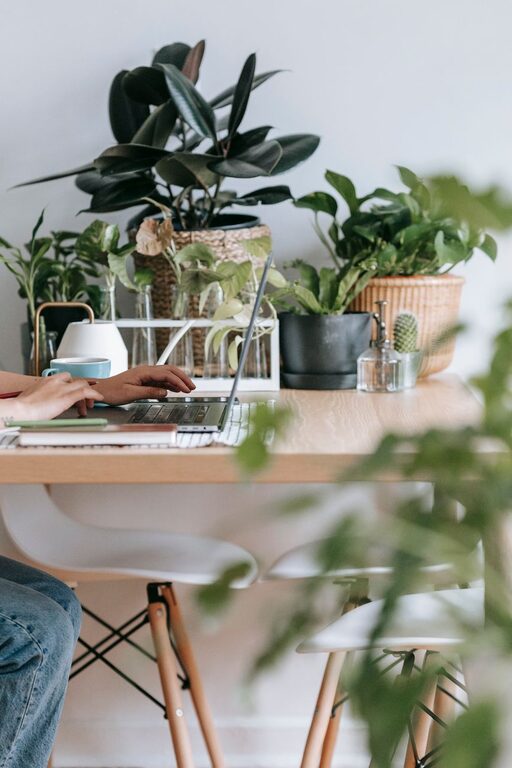
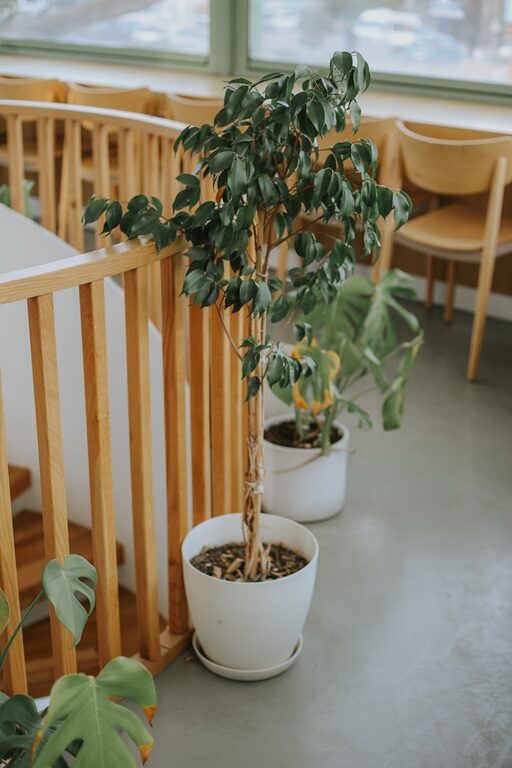
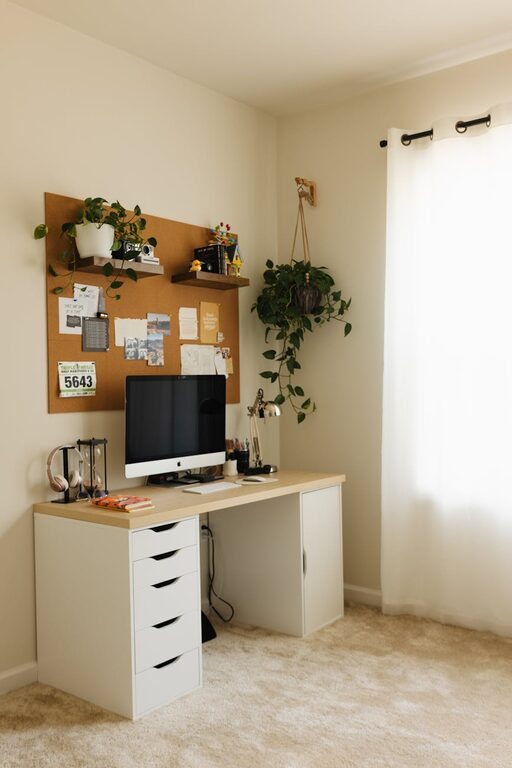
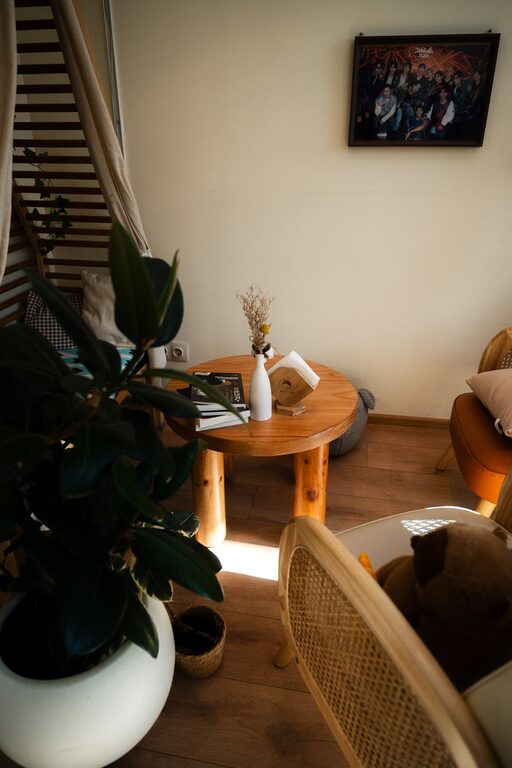
Add Indoor Plants
Certain houseplants can help filter and improve indoor air quality naturally.
Maximise Natural Light
Use light-coloured decor, mirrors, and window treatments to brighten spaces and reduce reliance on artificial lighting during the day.
Sustainable Gardening and Outdoor Spaces
Your garden or outdoor area can also play a part in a sustainable home.
Plant Native Species
Native plants usually require less water, fertiliser, and maintenance, supporting local wildlife too.
Avoid Chemical Pesticides
Use natural pest control methods like companion planting or encouraging beneficial insects.
Create Wildlife Habitats
Include bird feeders, insect hotels, or ponds to foster biodiversity in your garden.
Practical Tips for Getting Started
Changing your home environment gradually can be less overwhelming.
– Conduct a simple home audit to identify key areas of energy and water waste.
– Prioritise small, cost-effective changes first, such as switching bulbs or fixing leaks.
– Set achievable goals and celebrate progress to stay motivated.
– Involve the whole household in eco-friendly habits.
Conclusion
Creating a sustainable and eco-friendly home doesn’t require a complete overhaul or expensive renovations. By adopting a combination of energy-saving, water-wise, waste-reducing, and health-conscious practices, you can make a meaningful difference. Not only will you reduce your ecological footprint, but you will also enjoy a more comfortable, healthy, and cost-effective living environment.
Start with simple steps today and build towards a greener future for you and the planet.