





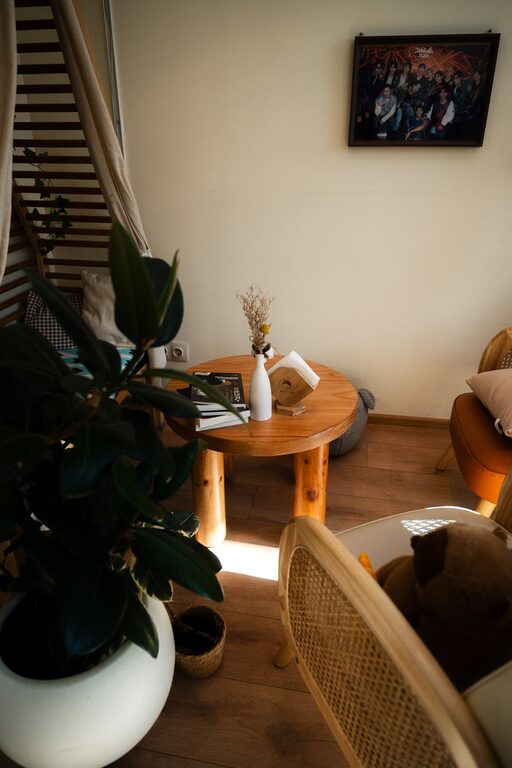
How to Create a Productive Home Workspace Environment
Creating a productive home workspace environment is essential for anyone working remotely or spending significant time on tasks at home. A well-designed workspace can improve focus, efficiency, and overall wellbeing. Here are some helpful tips to transform your home area into an inspiring and comfortable place to work.
Choose the Right Location
Identifying the best spot for your home workspace is the first step. Ideally, this should be a quiet area with minimal distractions and good natural light. If possible, select a room or nook away from busy common areas like the living room or kitchen.
Consider privacy and noise levels
– Use a door to close off the area if possible
– Add soft furnishings or rugs to absorb sound
– Consider noise-cancelling headphones if noise is unavoidable
Lighting matters
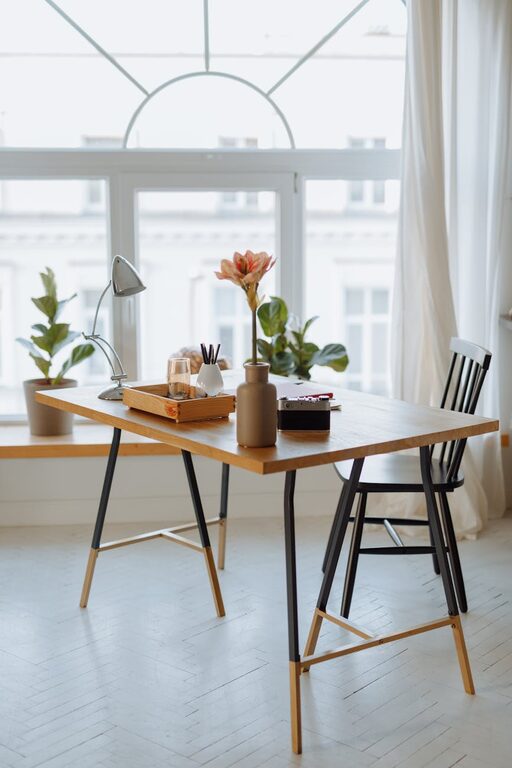
Natural light is best for maintaining alertness and reducing eye strain. Position your desk near a window but avoid glare on your computer screen. Supplement with a good-quality desk lamp for cloudy days and evening work.
Invest in Ergonomic Furniture
Comfort plays a big role in productivity, so make sure your furniture supports healthy posture.
– Choose an adjustable chair with good lumbar support
– Use a desk at the right height to keep wrists and arms relaxed
– Consider a footrest if your feet don’t sit flat on the floor
– Position your monitor at eye level to prevent neck strain
If space allows, having a sit-stand desk can help break up long periods of sitting.
Keep Your Workspace Organised
A clutter-free workspace reduces stress and helps you focus.
Tips for organisation
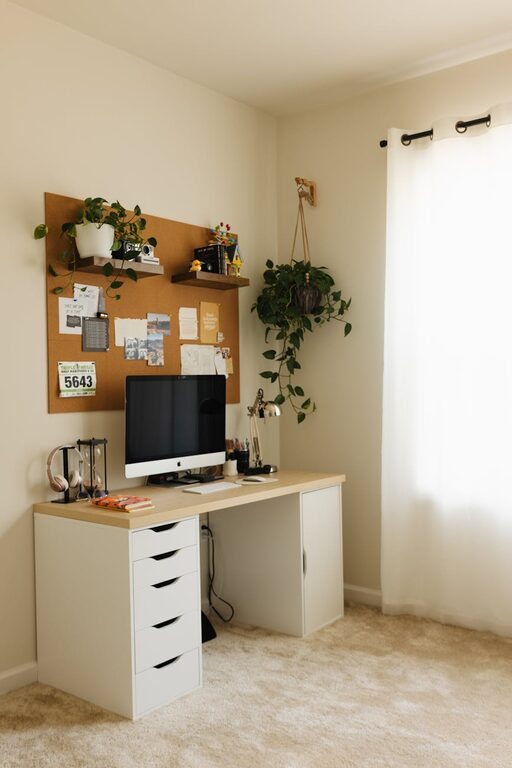
– Use storage solutions like shelves, drawers, and organisers
– Limit items on your desk to essentials only
– Develop a habit of tidying up at the end of each day
– Label files and folders for quick access
Having a clean, organised space also makes it easier to switch into work mode.
Tailor the Environment to Your Needs
Your workspace should suit your specific work habits and preferences.
– Choose colours that help concentration—soft, neutral tones are usually best
– Add some personal touches like plants or photos to make it inviting
– Control temperature and airflow to stay comfortable
– Minimise distractions by turning off unnecessary notifications or using website blockers during work time
Establish a Routine
Creating a routine helps signal when work starts and finishes, increasing productivity and helping maintain work-life balance.
– Set regular working hours
– Take regular breaks to stretch and rest your eyes
– Use timers or apps to manage focus sessions, such as the Pomodoro technique
– Avoid working in bed or on the sofa to keep work and rest spaces separate
Utilise Technology Wisely
Technology can either support or hinder productivity.
– Ensure you have a reliable internet connection
– Use noise-cancelling headphones if background noise is an issue
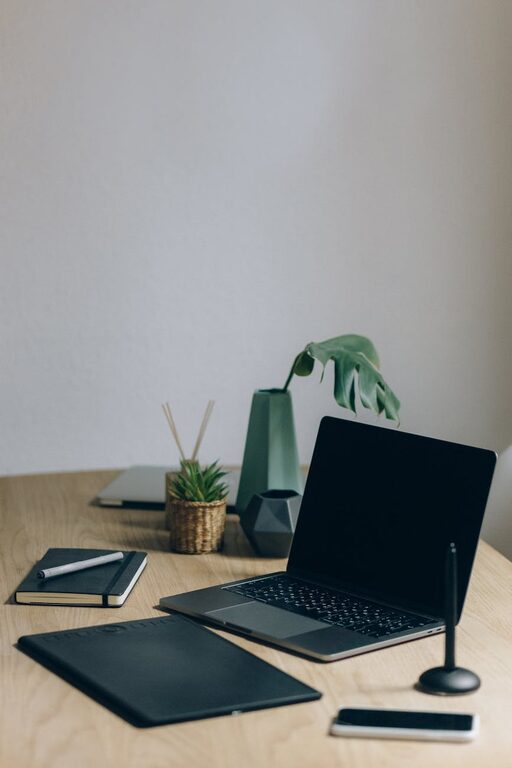
– Invest in good-quality peripherals such as keyboards and mice to improve comfort
– Make use of productivity tools and apps to stay organised and communicate effectively
Maintain Good Habits
Finally, personal habits impact your productivity as much as your environment.
– Stay hydrated and eat nutritious snacks
– Schedule exercise or stretching breaks during the day
– Avoid multitasking to maintain deeper focus
– Set clear goals and priorities each day
—
By paying attention to these elements, you can create a home workspace environment that supports your productivity and wellbeing. Remember that it’s a personal space, so feel free to adapt these tips to suit your lifestyle and work style. With the right setup and habits, your home workspace can become a place where you thrive.