


Tips for Creating a Relaxing and Productive Home Workspace
Creating a home workspace that is both relaxing and productive can greatly enhance your work-from-home experience. Balancing comfort with efficiency ensures that you remain focused while also reducing stress and fatigue. Whether you’re new to working from home or looking to refresh your current setup, these tips will help you design a space that supports both your wellbeing and your professional goals.
1. Choose the Right Location
Find a Quiet Spot
Start by selecting a space in your home that is relatively quiet and free from distractions. This could be a spare bedroom, a corner of the living room, or even a nook under the stairs. The key is to make sure it feels separate from your living and relaxation areas.
Consider Natural Light
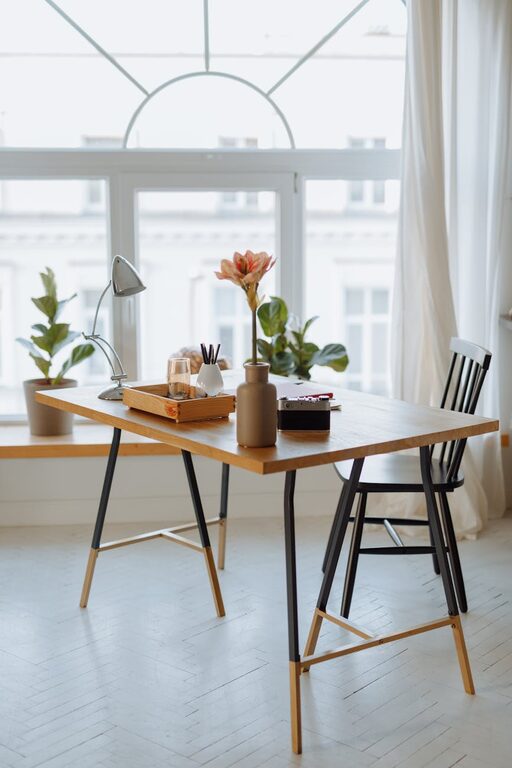
Natural light can improve mood and productivity. Try to position your desk near a window to take advantage of daylight. If this isn’t possible, invest in good-quality lighting that mimics natural light to keep your workspace well lit.
2. Invest in Comfortable and Functional Furniture
Ergonomic Chair and Desk
One of the most important elements of a productive workspace is an ergonomic chair that supports your back and encourages good posture. Your desk should be at the right height for typing and writing comfortably. Adjustable furniture can be a good option to personalise your setup.
Declutter with Storage
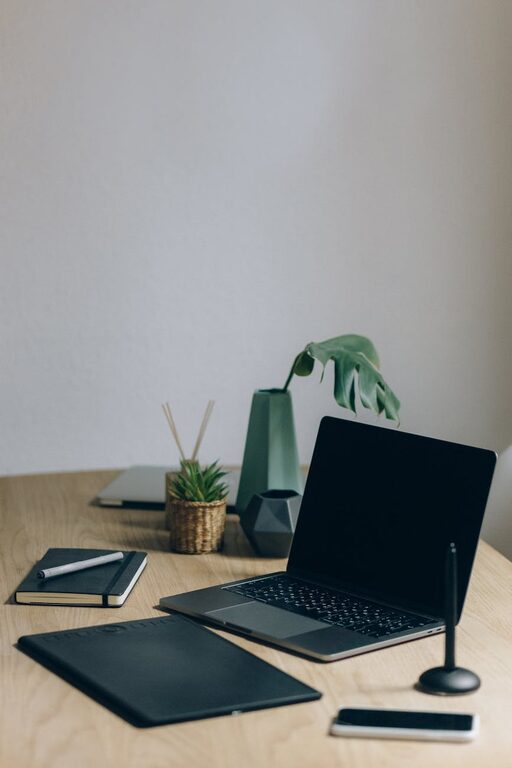
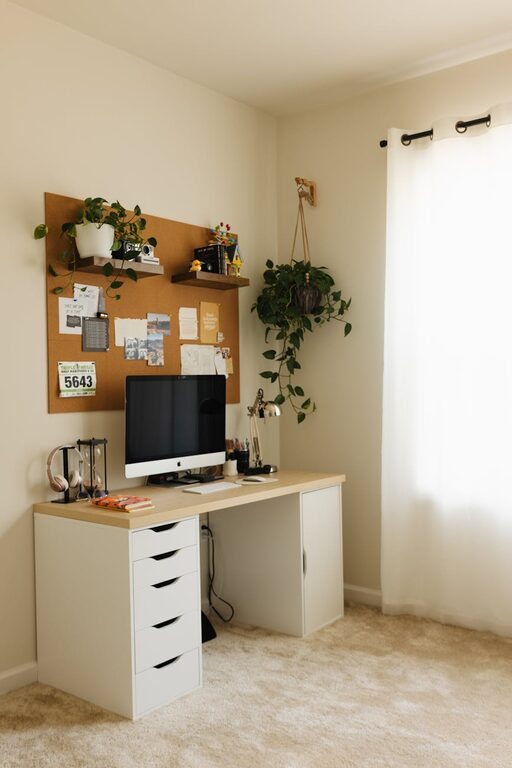
Keep your desk tidy by using shelves, drawers, or organisers. Clutter can create mental distractions, so having a place for everything helps maintain focus and reduces stress.
3. Personalise Your Workspace Tastefully
Bring in Nature
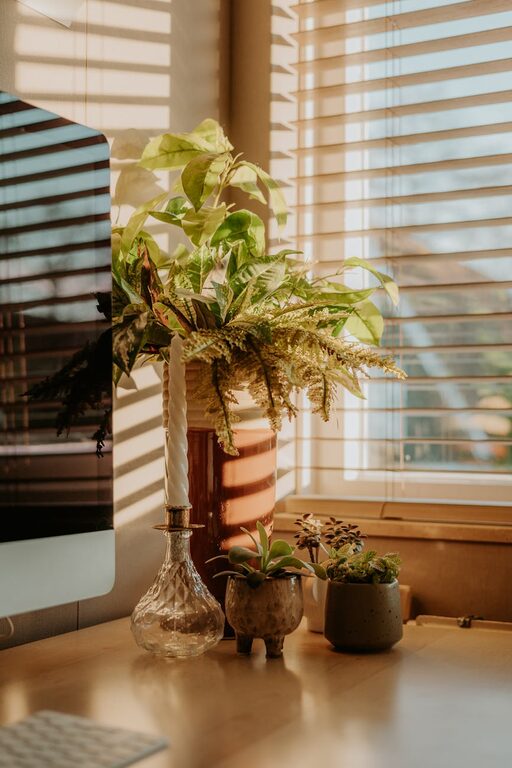
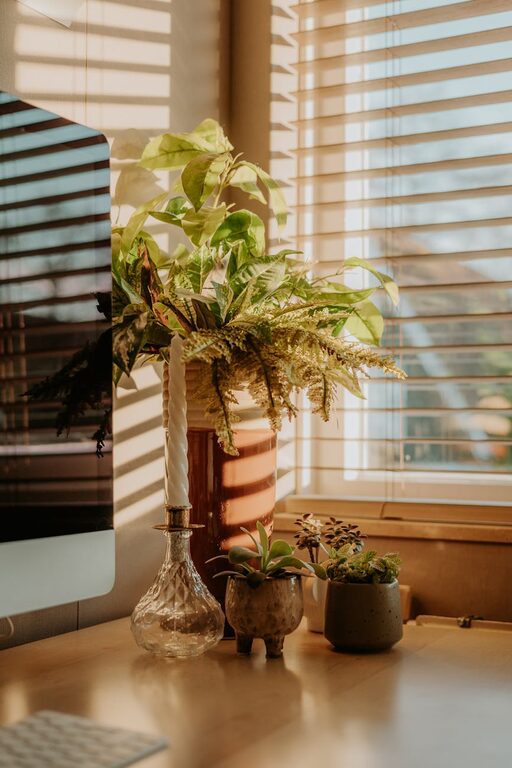
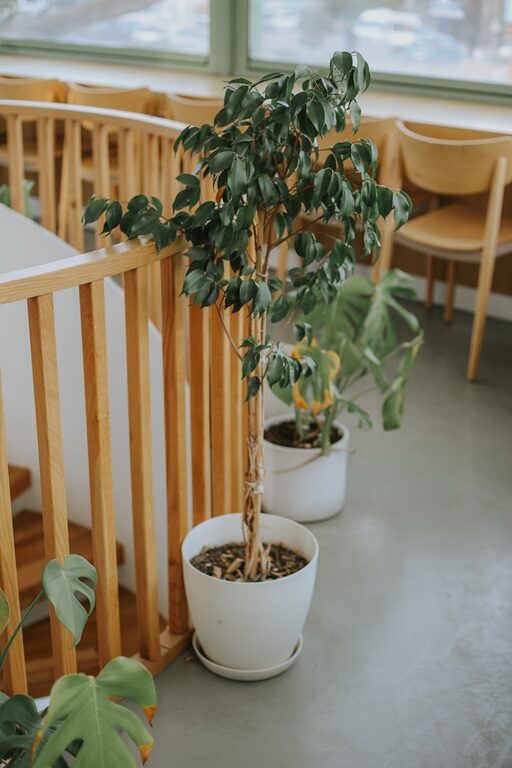
Incorporate plants into your workspace to add a touch of nature. Plants can improve air quality and bring a sense of calm. Choose low-maintenance options like succulents or peace lilies if you don’t have much time for care.
Add Personal Touches
Display a few personal items such as photos, artwork, or meaningful objects, but avoid overcrowding your desk. These touches can make your workspace more inviting.
4. Manage Noise and Distractions
Use Noise-Cancelling Options
If noise is a problem, consider noise-cancelling headphones or a white noise machine. These can help you concentrate on your tasks despite household noises.
Set Boundaries
Communicate your working hours with family or housemates. Setting clear boundaries helps minimise interruptions and maintains a respectful balance between work time and home life.
5. Optimise Your Technology Setup
Reliable Internet and Equipment
Ensure your internet connection is strong and reliable to avoid frustration during calls or downloads. Invest in good-quality equipment like a keyboard, mouse, and monitor to improve comfort and efficiency.
Cable Management
Organise cables using clips or sleeves to keep them out of the way. A tidy setup reduces distractions and makes your workspace feel more orderly.
6. Incorporate Break and Movement Areas
Take Regular Breaks
Set reminders to take short breaks throughout the day. Stretching and moving around can refresh your mind and reduce physical tension.
Create a Separate Area for Breaks
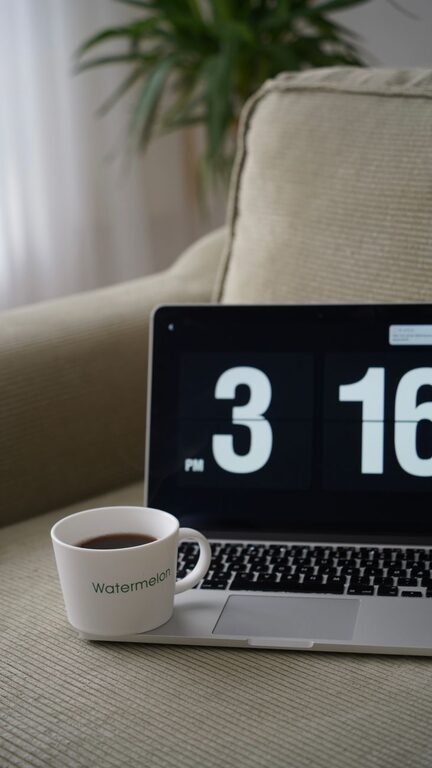
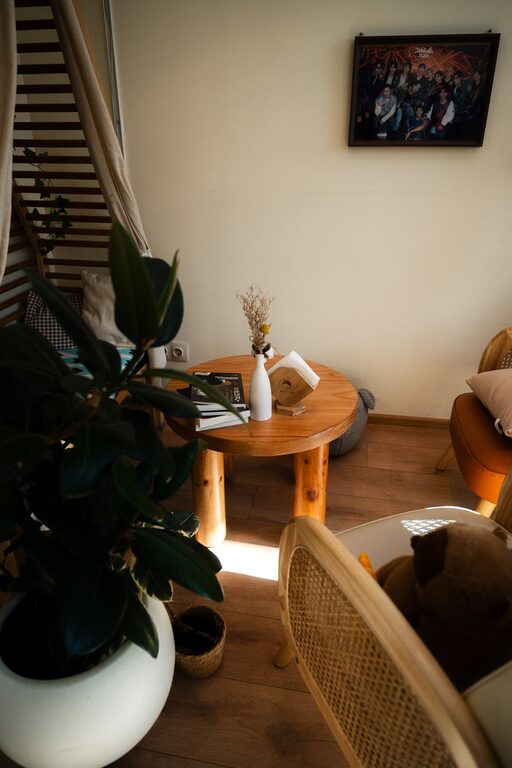
If possible, have a space nearby where you can step away from your desk during breaks. This might be a comfortable chair or a small corner with cushions where you can relax briefly.
7. Mind Lighting and Colour Schemes
Balanced Lighting
Combine natural light with soft, warm lighting for a comfortable atmosphere. Avoid harsh, fluorescent lights that strain your eyes.
Choose Soothing Colours
Use calming colours like soft blues, greens, or neutrals in your workspace décor. These shades promote relaxation and focus, helping you maintain concentration longer.
8. Maintain Organisation and Routine
Plan Your Day
Keep a planner or digital calendar at your desk to organise tasks and deadlines. A clear plan reduces stress and helps you stay on track.
End Your Workday Routine
Develop a habit to ‘close’ your workspace at the end of the day, such as tidying your desk or switching off your computer. This helps create a mental boundary between work and personal time.
—
By combining comfort, organisation, and a touch of personal style, you can create a home workspace that supports both your relaxation and productivity. Remember, the best workspace is one that suits your needs and encourages you to work efficiently, all while feeling calm and comfortable. With these tips, your home office can become a place you look forward to spending time in every day.